
A recent survey found that 88% of employees who understood and utilized their benefits felt cared for by their employers and were 60% more likely to stay at the company.
Companies are scrambling to figure out what benefits actually matter to their teams, and whether they can afford them.
So where do you come in?
Your clients are counting on your guidance to provide employee benefits that resonate with their teams and support their strategic goals.
In this guide, we take a deep dive into current trends in employee benefits, including which perks to prioritize and the best practices to help your clients deliver high-impact, low-cost benefits.
Why Employee Benefits Are Rapidly Evolving
Benefits brokers and resellers must stay up-to-date on employee benefits to provide relevant advice to companies consulting with them and maintain a competitive edge.
However, employee benefits are quickly evolving, and for various reasons:
- Changes in Employee Expectations: Employees now seek benefits that support their overall well-being. This means benefits brokers must regularly review their packages to incorporate benefits like health and wellness programs that boost employees’ physical and mental fitness.
- Workforce Demographics: Gen Z and millennial employees seek flexible work arrangements, such as remote and hybrid work options, to achieve a better work-life balance.
- Economic Pressures: The rapid increase in health benefit costs means companies must find ways to continue providing premium benefits without increasing budgets.
- Retention Crisis: Low employee engagement has placed employers under increased pressure to provide benefits that encourage their members to stay. That’s why companies now turn to benefits brokers to help them deliver benefits that align with employee preferences.
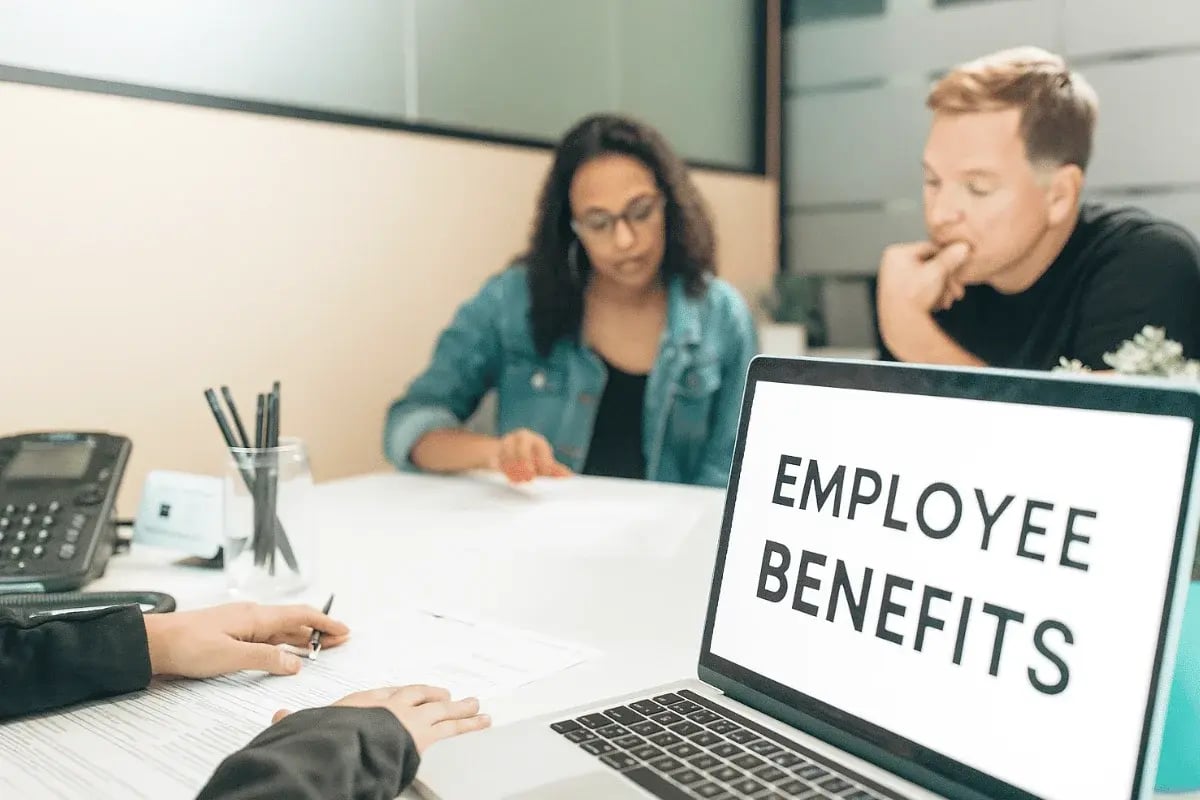
8 Current Trends in Employee Benefits
As a benefits broker or reseller, staying current on benefits trends isn't just smart; it's how you stay relevant to your clients and ahead of your competition. Additionally, you’ll be well placed to recommend futuristic employee benefits that set you apart from other brokers and providers.
Here are some of the best employee benefits trends to keep in mind when consulting for companies looking to keep their teams happy and motivated:
1. Holistic Benefits
The days of offering only health insurance and 401(k) plans are long gone. Employees want support that fits their actual lives, not just coverage for when things go wrong.
As a benefits broker or reseller, you can stand out from your competitors by recommending holistic benefits packages. This includes corporate health and wellness programs that cater to employees’ physical, mental, emotional, social, and financial well-being.
2. Wellness Incentives and Rewards
You’ve probably seen companies spend hundreds of thousands of dollars on ‘world-class’ employee benefits, only to be disappointed when their members aren’t excited about the programs. The problem isn’t always that the employee benefits aren't a good fit for the team, but that members see no real incentive to get involved.
Your role as a benefits broker or reseller, in this case, is to help companies understand why they should incorporate employee wellness incentive programs into their benefits plans.
Download our free ebook to learn how psychology-backed incentives can help you design benefits programs that drive real impact for your clients.
3. DEI and Inclusive Benefits
Benefits packages have historically been designed for one type of employee: married individuals with children, living a traditional lifestyle. That narrow view locks out most of today’s workforce:
- Single parents
- LGBTQ+ employees
- People caring for aging parents
- People from diverse cultural backgrounds
As a benefits broker or reseller, your role would be to help clients audit their benefits through a DEI lens. Are there gaps? Are certain groups being left out?

4. Transition to Employee Benefits Administration Software
Most companies use some system to manage benefits. But as regulations get more complex and employee needs diversify, basic software doesn't cut it anymore. Companies are under increased pressure to adapt their benefits to employees’ needs while remaining compliant with federal and statutory regulations.
Introduce your clients to a benefits administration software with the following functionality:
- 24/7 remote access
- Automated compliance documentation
- Employee engagement analytics tracking
- Easy enrollment using employee name or email address
5. Financial Wellness Benefits
A recent report shows that employees spend at least 14 hours every week worrying about their financial situation, with nearly half of that time spent at work. For your clients, this means wasted productivity, costing them thousands of dollars in lost wages every month.
Show your clients how much they stand to gain from providing employee benefits and encourage them to provide the tools and support their teams need to get their finances under control.
6. Mental Health as a Core Benefit
Employees face numerous mental health challenges attributed to excessive workload, poor work-life balance, and unsupportive leadership, which can affect their productivity and performance.
As a broker or reseller, you could encourage your clients to implement programs to destigmatize mental wellness. For example, employers could introduce a wellness marketplace where employees can choose self-care gifts to help them relax and unwind.
Here’s what B.J. Wiley Williams, our founder and CEO, had to say about mental wellness in the workplace:
“We realize the need for mental health…We are challenged. We're dealing with burnout. We're dealing with being overwhelmed with all the different things that are happening on a macro global perspective, and being able to have tools and resources to be able to navigate that effectively is critical.”
Watch our free on-demand webinar to learn how you can offer meaningful wellness experiences to improve your employees’ mental well-being.

7. Flexible Work Arrangements
When the pandemic hit, employees got a taste of what it meant to work from home, and many were willing to take a pay cut to enjoy the convenience of setting their own work hours.
The available work arrangements include:
- Fully remote work
- Hybrid models
- Compressed work weeks
- Asynchronous working
Your role?
Help your clients find ways to support flexible work arrangements:
- Stipends for home office equipment
- Virtual corporate wellness programs for remote teams
- Localized insurance options for overseas employees
8. On-Demand Benefits Access
Traditional wellness benefits required employees to fill out paperwork and get HR approval just to access them. However, today’s employees want to access benefits wherever they are, when they need them.
To bridge this gap, connect your clients with benefits providers that offer live and on-demand resources employees can access even remotely. For example, you could help your clients provide on-demand wellness webinars on health and fitness.
In traditional employee benefits, brokers and providers primarily facilitated transitions. However, today’s benefits landscape requires them to get more involved, functioning as consultants to help companies deliver the best benefits to their teams.
However, in addition to recommending personalized benefits, you should also maintain a network of benefits providers to recommend to your clients.
At SoHookd, we have partnered with benefits brokers and resellers for nearly 10 years to design and customize programs that can launch within 2 weeks. No contracts or PEPM fees.
Let's talk about what a partnership could look like for your clients. Schedule a personalized call today.

Best Practices for Designing Employee Benefits
As a benefits broker or reseller, your clients are counting on you to cut through the noise and show them what actually works. That means providing personalized benefits that align with employees’ needs and deliver results you can measure.
Here are some tips to keep in mind:
- Incorporate Incentives: Include wellness incentives as a core element of your benefits packages to enhance employee participation and engagement. Thoughtful wellness gifts support employees’ lifestyle goals while also helping them overcome barriers like participation.
- Understand the Client’s Objectives: Retention? Engagement? Cost control? Driving employee engagement? Know what success looks like for your clients before you design the employee benefits programs. Engage your clients to define what they want to achieve with their benefits programs, such as increasing retention rates or.
- Program Flexibility: Develop tiered benefits packages that comprise core benefits (health insurance and retirement plans) and elective benefits (lifestyle perks) to cater to diverse employee preferences.
- Benchmark Competitively: Use industry benchmarks to design benefits that cater to employees’ evolving needs, positioning your clients as forward-thinking employers.
- Train HR Leaders and Employees: Prepare training materials to educate HR teams about the employee benefits and how to implement them to boost engagement.
- Cost Control: Negotiate multi-year contracts to help you lock in rates and protect yourself and clients against fluctuating benefit costs. Additionally, prioritize low-cost, high-impact programs, such as corporate mental wellness initiatives, to help you deliver premium benefits at budget-friendly rates.

Common Challenges and How to Solve Them
Now that we’ve covered the proven methods for designing employee benefits, you also need to know the pitfalls to avoid. Remember, clients expect you to show them the ropes and guide their strategic decisions related to benefits, as employees' needs and preferences are changing quickly.
Watch out for the following obstacles when accounting for employee benefits trends:
- Low Employee Engagement: As a broker, you’ll have limited control over employee benefits engagement, as it significantly depends on the perks your clients settle on. Advise clients to work with benefits providers that offer wellness gifts for employees to boost participation rates.
- Changing Employee Needs: It has become increasingly challenging to keep up with evolving employee benefits preferences, often resulting in low utilization rates. Request the companies to conduct employee benefits surveys to learn which perks their members want.
- Limited HR Bandwidth: Many HR teams are stretched thin, limiting their involvement in managing employee benefits. Encourage clients to select benefits providers that provide ongoing support to help HR teams manage benefits-related administrative tasks.
- Difficulty Proving ROI: Companies often struggle to justify the dollars spent adapting their benefits packages to current trends. A simple solution is to guide clients to benefits providers that offer real-time reporting and participation analytics, helping HR teams demonstrate tangible outcomes.
- Remote/Disconnected Teams: Companies with remote/hybrid teams have found it challenging to offer employee benefits that improve company culture and camaraderie. Suggest flexible benefits packages that can be tailored to desk-based and remote workers alike.

The Future of Employee Benefits
The future of employee benefits isn't set in stone, but here's what to expect in the next five to 10 years based on current trends:
- Predictive Analytics for Employee Wellness: Machine learning is likely to shift employee benefits programs from being reactive to proactive. For example, organizations may need to leverage predictive models to analyze data from wearables, health claims, and participation rates to identify early warning signs of burnout or disengagement, rather than waiting for employee surveys to determine what members need.
- Purpose-driven Benefits: Gen Z and millennial employees want their organizations to align with their values. As such, companies will be tasked with providing benefits that meet sustainability, community impact, and social responsibility objectives.
- Contract-Free Benefits: The rapidly changing needs and preferences of employees will likely discourage companies from committing to long-term contracts. Benefits brokers and resellers will have to partner with providers that offer procurement-friendly contracts.
- Privacy-by-Design Models: Apps and platforms are becoming increasingly adept at tailoring benefits to employees’ needs and preferences. For example, the benefits administration software has employees’ personal data, including their fitness goals, what they eat, their stress levels, and maybe even their health screenings. Employees will soon start asking how their employers are handling their personal data, leading to changes in data protection laws that require built-in privacy protections.
Got pending questions? We address them in the FAQ section below.

Frequently Asked Questions (FAQs)
Let’s wind up our guide by answering commonly asked questions about employee benefits trends:
What Are the Core Components of an Employee Benefits Package?
The core components of an employee benefits package include:
- Health insurance
- Retirement benefits
- Holistic wellness
- Work-life balance
What Drives Low Adoption Rates in Benefits Programs?
Benefits programs experience low adoption rates due to:
- Employees not understanding the benefits or how to access them
- Mismatch between the benefits and employees’ needs and preferences
- Mandating employees to pay out-of-pocket to access low-impact benefits
How Often Should Companies Update Their Benefits Strategy?
There’s no specific timeline for how often companies should update their benefits strategy.
However, the rule of thumb is that companies should review their benefits annually, including benchmarking against their competitors and industry standards.
Conclusion
The highlighted employee benefits trends aren’t just buzzwords; they are reshaping how companies attract, retain, and engage their workforce right now and in the future. As a broker or reseller, you can maximize your value to your clients by helping them understand which employee benefits apply to their teams.
If wellness is becoming a bigger piece of your clients' benefits strategies, we should talk.
We’ve spent the last 10 years working with benefits brokers and resellers to deliver flexible, customizable wellness benefits that suit both desk-based and remote teams. Our no-contract, procurement-friendly process reduces the hoops your clients need to jump through to introduce the wellness benefits (usually 2 weeks).
Partner with SoHookd to deliver flexible, high-impact wellness programs that your clients will love. Book a strategy call to explore your options.