
According to a recent study, 78% of employees in small companies and 83% in large companies would likely look for another job if they considered their employee benefits inadequate.
Therefore, employers who are unwilling to improve their existing employee benefits packages to meet their team’s shifting needs will likely report higher turnover rates.
The solution? Regularly refining your benefits package to match evolving employee needs and expectations.
In this article, we’ll cover the following:
- How to improve employee benefits,
- How to communicate them to your team, and
- Common pitfalls to avoid when implementing the packages.
Let's get started.
Why Employee Benefits Matter More Than Ever
As an HR head or manager leading a team, you’ve probably noticed that employees aren’t just chasing paychecks. They want to feel that they belong at your organization and that their contributions are seen and appreciated.
Employee benefits are among the most effective ways to communicate trust, value, and belonging to your team.
Other reasons include:
- Attract talent: Providing comprehensive employee benefits helps your company appeal to top talent, giving it an edge in the job market.
- Retain Talent: Happy and motivated employees form an emotional connection with your company and buy into your vision, which increases their likelihood to stay for years.
- Lower Administrative Costs: Employee benefits help retain employees, eliminating recruitment, training, and onboarding costs for new hires.
- Maintain a Healthy Staff: Benefits such as corporate health and wellness programs that offer gym memberships, office snacks, and medical insurance help your team stay fit, reducing absenteeism due to illness and workplace accidents.
- Improved Employee Satisfaction: Comprehensive employee benefits show employees that you care about their well-being, which promotes job satisfaction and the employee net promoter score.
- Improved Work-Life Balance: Benefits such as remote and hybrid work allow employees to manage their schedules, freeing up time to spend with family and friends or to pursue personal projects and hobbies.

How to Improve Employee Benefits
Now that we’ve covered why employee benefits matter, you might want to improve your perks and offerings to better meet your members’ expectations. Remember, improving employee benefits doesn’t necessarily mean replacing the existing package. You might only need to refine the benefits and add a few to better cater to your team’s holistic needs.
Let’s explore practical, cost-effective ways to upgrade your employee benefits package to boost members’ satisfaction and retention:
1. Conduct a Benefits Audit
Review your existing employee benefits package to identify gaps and inefficiencies that undermine its effectiveness. For example, the audit might reveal that some wellness programs have stalled due to budget deficiencies.
An audit may also help you identify underutilized employee benefits that you should replace with more impactful ones to boost ROI.
2. Stay Current on Trends
Assess industry standards to understand what benefits employees expect from their employers. For example, employees today want flexible work schedules to help them achieve work-life balance, so this is an area you should explore.
You should also benchmark the types of employee benefits your competitors offer their teams to gain insight into refining your perks and retaining your edge.
3. Personalize to Meet Employees’ Wellness Needs
Use surveys and group interviews to identify your employees' benefits needs, and then use the insights to personalize the perks to individual preferences. For instance, add a paid gym membership for health-conscious employees who want to stay fit and yoga rooms for those who prefer guided meditation.
Additionally, implement corporate mental wellness programs to help employees address their mental, social, and emotional issues, so these issues do not affect their performance.
4. Improve How You Communicate the Benefits
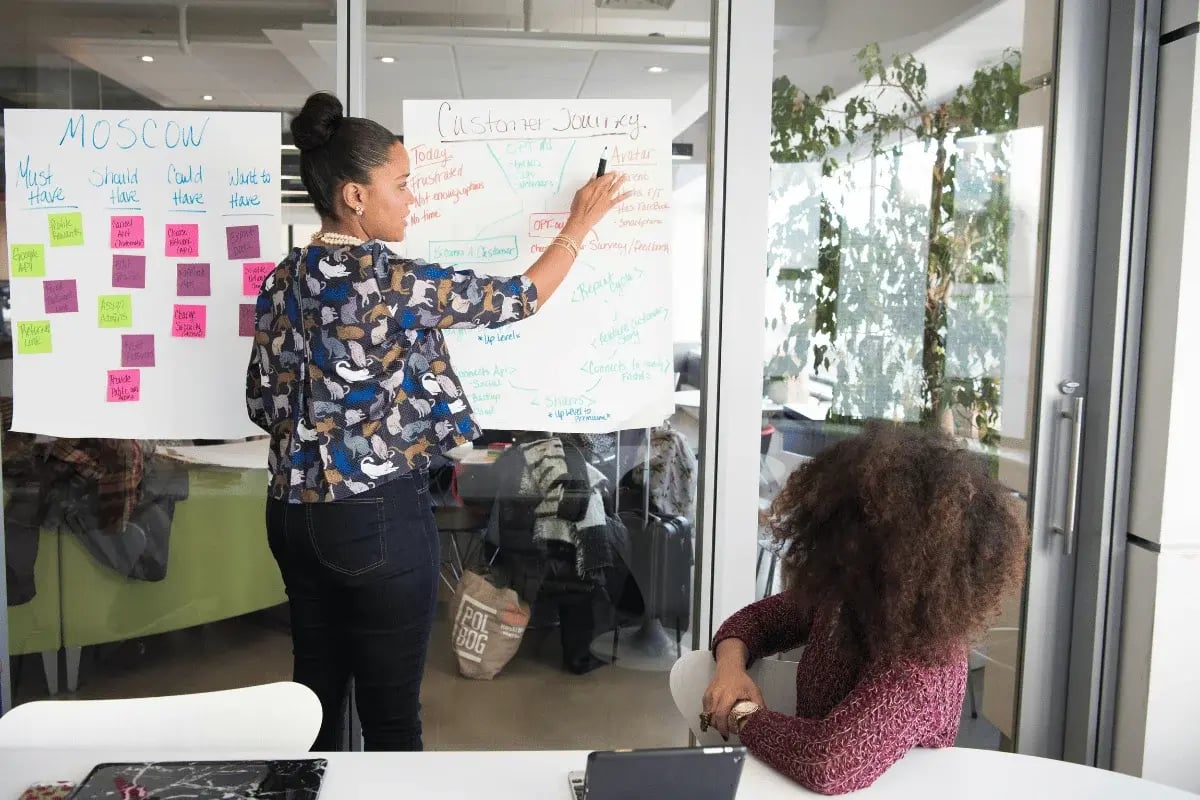
Sometimes, all it takes to improve your employee benefits is training members on how to access and utilize the perks. For example, employees might be stressed about their finances after retirement, yet they don’t know that they are eligible for 401(k) plans.
One way to explain employee benefits to your team is by organizing corporate wellness workshops where members can learn how to utilize their benefits, including health insurance, paid time off, and retirement planning.
5. Incorporate Incentives
Do you keep adding more perks to your employee benefits package, yet utilization remains low? It might be time to try a different approach. Surprisingly, employees often need motivation to enroll in benefits programs.
Wellness incentives help employees overcome psychological barriers to participation, such as procrastination, fear of the unknown, and social anxiety.
Download our free ebook to discover ways to utilize psychology-backed incentives to inspire your team to take up the offered benefits. At SoHookd, we provide procurement-friendly wellness incentives programs with no contracts or PEPM fees. Also, our wellness marketplace allows employees to choose their preferred wellness gifts, making the incentives more impactful.
6. Measure Benefits Impact
Track essential metrics, such as changes in engagement and satisfaction scores, to determine your team’s enrolment and utilization of benefits. This will provide insights into which employee benefits members value most, and which ones no longer align with their wellness needs.
With this insight, you can allocate more resources to high-impact benefits, thereby increasing the expected ROI. On the other hand, you can terminate unwanted benefits to avoid wasting resources on perks that employees don’t deem valuable.

Advanced Employee Benefits Optimization Strategies
Once you've fulfilled the basics of implementing a comprehensive employee benefits package, it’s time to optimize your processes. The goal is to stretch every dollar so employees enjoy premium benefits without bloating your budget.
Use these strategies to get the most out of your employee benefits package:
- Data-Driven Decision Making: Measure key metrics, such as employee engagement, turnover, and absenteeism rates, and compare them against the cost of benefits. This should help you determine the effectiveness of your benefits program and identify areas of improvement.
- Technology Integration: Leverage the available technology to automate data collection, analysis, and performance reporting, reducing your HR team’s administrative tasks.
- Partner with a Benefits Broker: A benefits broker can help you redesign your benefits packages to suit your employees and your budget better. They can also help you negotiate better rates with benefits vendors and oversee compliance with state and federal regulations.
- Implement Employee Feedback: Incorporate your team’s feedback to refine the employee benefits package, ensuring it aligns better with members’ expectations. We recommend an iterative process that lets you implement the proposed changes quickly to improve employee engagement.

How to Communicate Benefits Effectively
Part of optimizing your employee benefits is communicating them to your team, so that members know how to enroll and utilize them.
An effective communication strategy should focus on driving employee enrolment and benefits utilization, and encouraging members to provide regular feedback.
Here’s how to help your team understand the benefits better when you roll out new perks:
- Make It Personal and Relevant: Tailor each communication campaign to the target demographic. For instance, communication targeting new hires ought to be more detailed, including how the benefits align with your organizational culture.
- Communicate Regularly: Employees are often chasing tight deadlines, which means they might miss announcements about changes to their employee benefits. As such, it is essential to send regular reminders, like weekly emails, urging them to review and confirm the revised benefits.
- Use Multiple Channels: Diversify your communication channels to reach various demographics and ensure most, if not all, employees are up to date on the perks. For example, Gen Z might prefer social media announcements, while millennials might favor email communication.
- Simplify the Language: Avoid jargon that only insurance and HR workers can understand. We recommend using layperson’s explanations when communicating adjustments to your employee benefits package to ensure all members understand the changes and how they impact them.
- Enable Two-Way Communication Channels: A feedback system is an effective driver of employee engagement, as it allows your employees to voice their concerns and make suggestions that you can use to adjust the employee benefits.

Common Pitfalls and How to Avoid Them
You could have a comprehensive benefits package, but still make mistakes that water down your efforts, resulting in wasted resources and eroded trust.
Let’s outline the mistakes to avoid when refining your benefits package:
- Overlooking Employee Engagement: Failing to involve employees when redesigning your benefits program could cause them to disengage from the company. Collect employee feedback during benefits package audits and incorporate their suggestions to foster a sense of ownership, which drives engagement.
- Budgetary Limitation: Adding new benefits and perks without considering the budget could inflate your expenses, causing the programs to fail over time. Determine how much money you can set aside to fund new benefits, ensuring they do not stall after implementation.
- Lack of Customizations: Implementing a one-size-fits-all employee benefits program can lock out members with unique needs. Personalize the employee benefits to ensure they are relevant to the various demographics represented in your workforce.
- Not Monitoring Changes to Relevant Laws: Failing to evolve your employee benefits package to align with recently passed federal and state regulations can lead to compliance issues and penalties. Consider partnering with a benefits broker for guidance on how to keep your employee benefits package compliant.

Steps to Measure the Impact of Improved Benefits
You’ve spent thousands of dollars improving your employee benefits package to maximize impact for your team and company. Now comes the question: are the improved benefits effective?
Here’s how to find out:
- Define Clear Objectives: Outline the goals for improving the employee benefits, such as enhancing your team’s job satisfaction or increasing retention rates. This provides a framework for tracking relevant metrics to determine the effectiveness of the benefits package.
- Monitor Enrollment and Utilization: Evaluate how many employees enroll in the new benefits program and how quickly they do it. Next, identify the specific benefits they selected to determine which improvements have had the most impact and which ones might need further adjustments.
- Gather qualitative and quantitative feedback: Ask your employees to provide qualitative feedback on the new benefits, describing the impact of the improvements. For example, an employee could say, “The new health insurance plan is too complex.” They should also provide measurable data that quantifies their level of satisfaction. For example, their feedback could indicate a 75% satisfaction rate with the new benefits.
- Analyze Retention/Turnover Rates: Evaluate whether the improved employee benefits encouraged more members to stay at your company. If they did not, use exit surveys to determine how much the improved benefits contributed to employees leaving the organization.
- Evaluate ROI: Determine whether the improved benefits have a positive or negative impact on your company's bottom line. Indicators of a positive ROI include increased employee productivity and higher retention rates.
- Benchmark Against Industry Standards: Compare your benefits package with those of industry rivals and identify gaps since the last modifications.
- Refine Your Benefits: Redesign your employee benefits, incorporating the recommendations from the review. For example, you could introduce wellness gifts to incentivize more employees to enroll in the benefits programs.
Frequently Asked Questions (FAQs)
This section answers commonly asked questions about improving employee benefits:
What Are the Most Overlooked Employee Benefits?
Some of the most overlooked employee benefits include flexible work schedules, paid time off, and wellness incentives, which help employees maintain a healthy work-life balance.
How Do Employee Benefits Differ from Employee Perks?
Employee benefits are often considered must-haves mandated by law, such as health insurance and retirement plans.
On the other hand, employee perks are tangible or intangible allowances that improve workplace culture and employee satisfaction, such as wellness programs, flexible work hours, and healthy office snacks.
Can Small Businesses Offer Competitive Benefits?
Yes. Small businesses can offer competitive benefits to keep their teams motivated.
For example, your small business could allow flexible work hours and provide professional development opportunities to attract and retain top talent.
Are Non-Monetary Benefits As Effective As Monetary Ones?
Yes. Non-monetary benefits can be as effective as monetary ones.
For example, non-monetary benefits such as employee recognition and rewards satisfy members’ psychological and emotional needs, thereby influencing satisfaction, engagement, and loyalty.
Conclusion
The benefits you offer significantly influence your employees' morale and productivity, which, in turn, has a ripple effect on the company’s performance. However, offering generic benefits or retaining the same package for years can be ineffective because of evolving employee needs and expectations.
Instead, regularly review your employee benefits to ensure they meet or exceed industry standards. However, this can be challenging for some companies because of the increased administrative workload. The solution? Partner with a wellness platform.
SoHookd offers flexible, customizable wellness product packages that companies can personalize to employee needs and launch within 2 weeks to support their team’s work-life balance. Our corporate wellness products are procurement-friendly, with no contracts or PEPM fees.
Additionally, our packages include a dedicated support team to help you implement the new perks and onboard your team.
Schedule a personalized call today and discover how improving your employee benefits package can drive real impact for your company.