
Employee wellness has become a must-have for companies. In fact, a recent survey by AON showed that employee well-being was the top priority for most companies for the next few years.
Similarly, you must find ways to enhance employee wellness if you are to remain competitive in today’s labor market.
This article covers how to promote wellness in the workplace, including common pitfalls to avoid when implementing employee wellness initiatives.
TL;DR - Ways to Promote Wellness in the Workplace
Companies should implement the following wellness programs to enhance employee well-being and keep their teams happy and motivated:
- Wellness challenges
- Recognition and rewards
- Paid gym memberships
- Healthy office snacks
- Regular medical screening
- Flexible working hours
- Paid time off
- Career development opportunities
Continue reading for an in-depth discussion of each wellness initiative, including how it impacts your workforce and company performance.

Why Promoting Workplace Wellness Can’t Wait
Could you have postponed your wellness initiatives until your company hits specific milestones, such as doubling its revenues? You are putting your business at a disadvantage.
Delaying wellness initiatives means more employee burnout, which in turn lowers productivity and increases absenteeism.
Below are reasons to prioritize wellness:
- Modern Workplace Challenges: Employees are often under pressure to meet tight deadlines, which exposes them to burnout. Workplace wellness initiatives, such as break rooms and on-site yoga facilities, enable employees to relax between sessions.
- Boosted Employee Productivity: Workplace wellness boosts employee productivity in two significant ways. First, it boosts employee motivation, which often leads to improved performance. Second, workplace wellness initiatives, such as on-site gym facilities and healthy office snacks, help keep employees in shape, which in turn helps them focus at work.
- Employee Expectations: According to a recent study, work-life balance is the second most important factor that employees consider when choosing an employer. As such, companies must introduce wellness initiatives, such as flexible work schedules, to help employees have personal time to spend with their friends and family.
- Societal Pressure: Companies are now under significant scrutiny about how they treat their employees. Promoting workplace wellness helps position your company as reputable, enhancing your brand’s perceived value.
- Talent Attraction and Retention: Globalization has enabled companies to attract top talent from across the world. However, this has been a double-edged sword, because companies are also at risk of losing their best employees to organizations that offer employee wellness benefits. To be safe, companies should promote workplace wellness to attract top talent, while also retaining their existing workforce.

What a Successful Wellness Program Looks Like
Effective wellness programs should be tailored to a specific organization’s wellness culture and its employees' individual lifestyle goals.
However, the best wellness programs often share the same traits:
- Caters to Holistic Well-being: The initiatives should incorporate core wellness areas, including physical, mental, emotional, social, and financial aspects.
- Personalized Wellness Initiatives: The wellness programs should cater to employees' unique lifestyle needs and goals to boost enrollment and participation rates.
- Leadership Buy-in: Top-level managers should support wellness programs through policies and resources, and serve as role models for the team.
- Employee Engagement: Successful wellness initiatives provide avenues for collecting and addressing employee feedback from the planning phase onwards. This ensures employee support, which is integral to the success of the proposed wellness programs.
- Wellness Incentives: A well-designed wellness program should include a reward system to boost employee participation. For example, it could include wellness challenges, such as daily step tracking, with winners receiving gifts that support their lifestyle goals.
- Wellness Assessment Plan: Like other projects, wellness initiatives should include regular assessments to track members’ progress and the effectiveness of the programs. For example, you should track the number of employees who enrol in the various wellness challenges and their participation frequency to gain insights into improving the program and better aligning it with members’ expectations.
How Do You Promote Wellness in the Workplace?
Now that we know what a successful wellness program looks like, let’s dive into the practical aspects of promoting your employees’ wellness to keep the team motivated and make them enjoy being there.
The wellness initiatives should focus on improving your employees’ holistic well-being through:
1. Wellness Challenges
Organize light-hearted competitions to foster camaraderie among team members and promote a sense of unity. Simple, yet effective wellness challenges include step tracking, puzzles, and word trivia.
You could even throw in a few prizes for employees who top the leaderboards to get members excited about the challenges.
2. Recognition and Rewards
A huge part of workplace wellness involves making employees feel seen and valued. Members develop a sense of belonging, which in turn fosters an emotional connection with the company.
Leverage your communication platforms, such as Slack, to give regular shoutouts and recognise members who have consistently excelled in their work. Additionally, we recommend launching a wellness incentive program to recognize employees who achieve significant milestones, such as birthdays, anniversaries, or promotions.
Download our free ebook to learn how to leverage psychology-backed incentives to boost workplace wellness and drive meaningful results for your company.

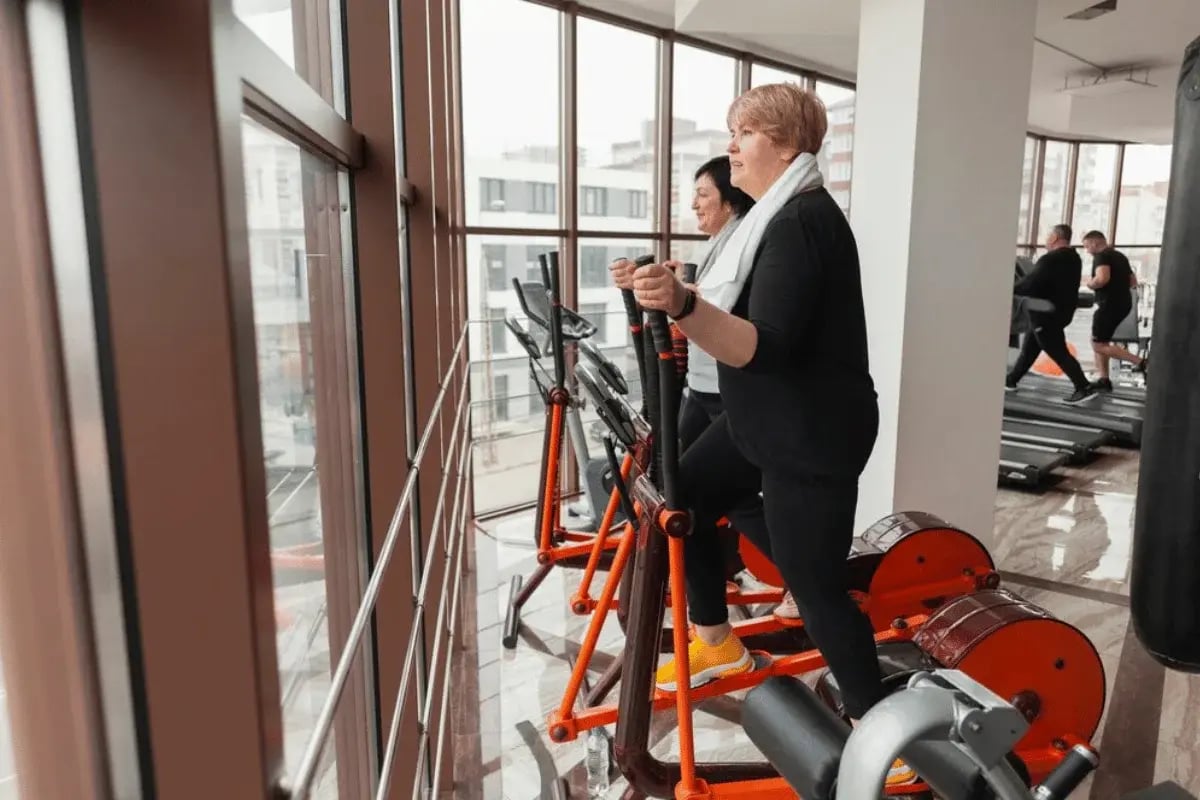
3. Paid Gym Memberships
A healthy body, a healthy mind. Offer paid or subsidized gym subscriptions to encourage employees to keep fit, which helps reduce stress and workplace injuries.
Companies with a bigger budget could build on-site gym facilities that members can access throughout the day.
4. Healthy Office Snacks
A common challenge for many employees is eating junk food, which exposes them to lifestyle diseases like obesity, diabetes, and hypertension.
One way to help employees avoid lifestyle diseases is to stock the office kitchen with nutritious snack options, such as nuts, dried fruits, and yogurt, to encourage your team to make healthy food choices. Over time, you may notice that some members bring healthy snacks from home, which suggests a shift in their eating habits.
5. Regular Medical Screening
Organize medical screening days to help employees stay on top of their health. Focus on general health indicators, including BMI and blood sugar levels. Additionally, you could incorporate wellness workshops where employees can learn about effective condition self-management.
However, ensure that enrollment is voluntary and the program is HIPAA compliant regarding the protection of patient records.
6. Flexible Working Hours
Allow members to manage their work schedules, especially when dealing with remote teams. Flexi hours enable employees to clock in at their most productive times, which often boosts the team’s overall performance.
Additionally, it supports employees to take short breaks whenever they feel overwhelmed by tasks, which helps them rest and refocus quickly.

7. Paid Time Off
The best way to support your team’s work-life balance is by offering paid time off. This allows them to set days when they can pursue their hobbies and interests or spend time with friends and family.
Usually, employees return from such breaks happy and reenergized, which is how you want your team to be most, if not all, the time.
8. Career Development Opportunities
Job security is a significant driver of employee engagement and wellness, as it influences whether members see a future in your company.
Schedule regular sessions by experts so employees have an opportunity to interact and learn from thought leaders in their fields. Alternatively, you can offer subsidized mentorship classes for employees in low- and mid-level management to prepare them for future leadership roles.
Struggling with limited bandwidth to offer effective wellness solutions? Partner with a wellness platform.
At SoHookd, we offer procurement-friendly wellness product packages with no contracts, PEPM, or minimal fees. Additionally, our wellness programs are easily customizable, allowing you to tailor them to your team’s specific wellness needs and go live within 2 weeks.
Book a one-on-one strategy call to empower your team with turnkey wellness solutions.

The Benefits of Promoting Wellness in the Workplace
Introducing a wellness initiative for your team offers the following benefits for both members and the company, making it a worthwhile investment:
- Increased Morale and Job Satisfaction: Wellness initiatives tell employees that you value their well-being, which in turn boosts morale and job satisfaction. This encourages members to form an emotional connection with the company, improving their productivity and performance.
- Improved Mental Health: Implementing wellness initiatives, such as PTOs and on-demand meditation classes, helps employees manage stress and prevent burnout. Additionally, counselling services and employee assistance programs help members deal with personal issues, promoting their mental, emotional, and social well-being.
- Supports Employees’ Work-Life Balance: In the 21st century, employees place a high value on work-life balance. Initiatives such as remote and hybrid work arrangements help members plan their schedules, allocating time for personal projects.
- Reduced Operating Costs: Health and wellness programs encourage members to maintain their physical well-being, which in turn reduces expenses related to sickness and workplace accidents. Additionally, wellness efforts reduce absenteeism, which allows the company to operate at full capacity.
- Employee Engagement and Retention: Promoting wellness creates opportunities for effective employee engagement where members feel a sense of belonging and ownership of the company's goals. High engagement levels encourage employees to stay at the organization longer, increasing your retention rate.

Overlooked Pitfalls in Promoting Employee Wellness
Even the best-designed employee wellness programs can fail when poorly implemented.
Let’s look at some common challenges organizations face when launching initiatives to boost employee wellness:
- Misalignment with Company Goals: Mismatches between the wellness goals and company objectives often cause friction within the organization, with the former suffering the most. Ensure the wellness goals support the larger organizational objectives, such as improving performance or increasing employee retention rates.
- Lack of Incentives: Many wellness initiatives fail because organizations leave out incentives. Incorporate thoughtful wellness gifts for employees to help them overcome psychological barriers to participation in the programs.
- One-Size-Fits-All Programs: Another mistake companies make is launching generic wellness initiatives so that they can check them off their list. Unfortunately, such programs often fail to cater to employees’ wellness needs, which undermines enrollment and participation rates. Instead, conduct a thorough needs assessment to help you personalize your wellness efforts to members’ preferences.
- Lack of Leadership Buy-in: Wellness initiatives not supported by top-level management often fail because of policy gaps and inadequate resources to sustain them in the long term. HR teams should present the cost-benefit analysis of the wellness programs to secure leadership buy-in and encourage executives to serve as the primary wellness ambassadors.
- Overlooking Performance Measurement: Failing to track your wellness programs means missing opportunities to refine the initiatives and better align them with employee preferences. Conduct regular pulse surveys to assess changes in employee engagement or to collect feedback. Other engagement metrics include job satisfaction and retention rates.

Frequently Asked Questions (FAQs)
Got pending questions? This section answers commonly asked questions about promoting wellness in the workplace.
How Do Wellness Brokers Support HR Teams?
Wellness brokers support HR teams in the following ways:
- Ensure the company’s wellness goals align with its business goals.
- Help HR teams design and personalize wellness initiatives to members’ needs.
- Leverage their networks to help organizations shortlist the best-fit corporate wellness companies.
- Provide ongoing support by helping HR teams onboard members into the wellness programs and track engagement.
What Metrics Should HR Track for Wellness Program Success?
The metrics to track depend on the type of wellness program you implement. However, the key metrics include:
- Engagement rate to determine how many members have enrolled and participated in the wellness programs.
- Net promoter score to assess employees’ job satisfaction and engagement.
- Health and behavioral outcomes associated with the wellness program. For example, you could measure blood pressure and BMI to monitor physical activity levels.
- Cost metrics to determine the wellness program’s ROI.
How Often Should We Update Wellness Initiatives?
There’s no limit to how often you should update wellness initiatives, as it depends on the programs’ components and collected feedback.
For example, you could update wellness initiatives, such as step tracking, when members reach their goals, and introduce paid gym subscriptions. On the other hand, you could update wellness initiatives when engagement metrics indicate declining participation rates.
Conclusion
Here’s the truth: workplace wellness doesn’t happen overnight. You must integrate it into your organizational fabric and intentionally add it to your daily work until it becomes part of your culture.
Additionally, you must engage the most critical stakeholders (top-level management and employees), as their support significantly impacts the wellness programs’ success.
At SoHookd, we offer procurement-friendly wellness programs with no contracts or PEPM fees, enabling companies we partner with to launch wellness initiatives in under two weeks.
Ready to make workplace wellness part of your organizational culture? Schedule a personalized demo today.